Child Constipation, Poo Withholding and Toilet Training: What Parents Need to Know
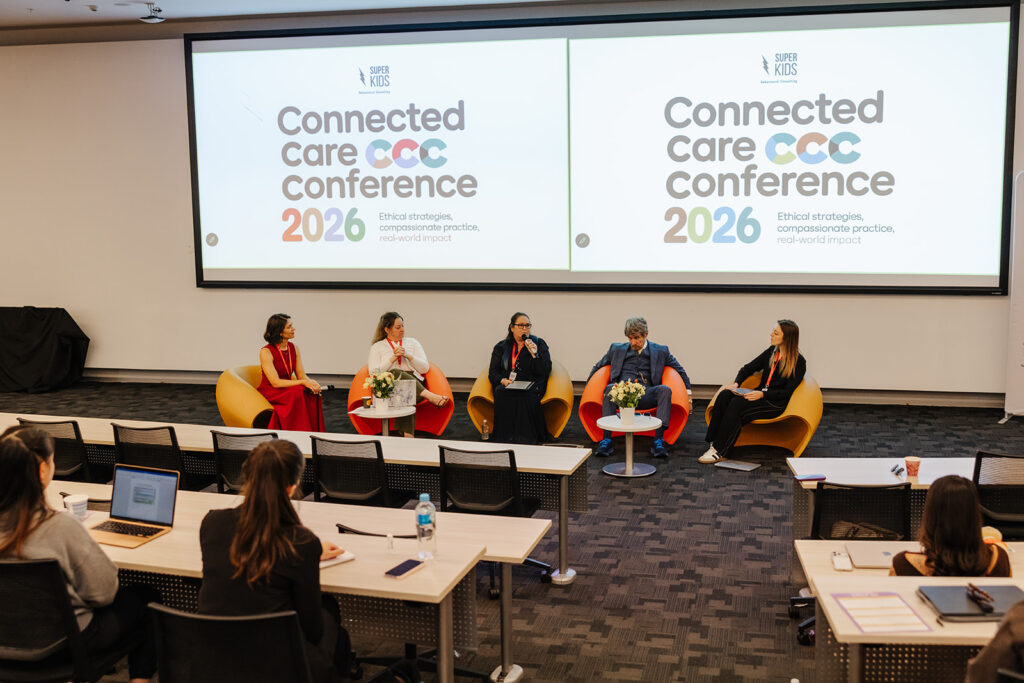
Explore key insights from the Connected Care Panel as professionals discuss collaboration, integrated support systems, and the importance of coordinated care in improving outcomes for children, families, and individuals with complex needs.
Medical Procedure Anxiety and Dental Fear in Children: Support for Blood Tests, Dentists and Healthcare Appointments

Learn how to support children with medical procedure anxiety and dental fear through gradual desensitisation, behavioural strategies, and compassionate preparation for healthcare appointments.
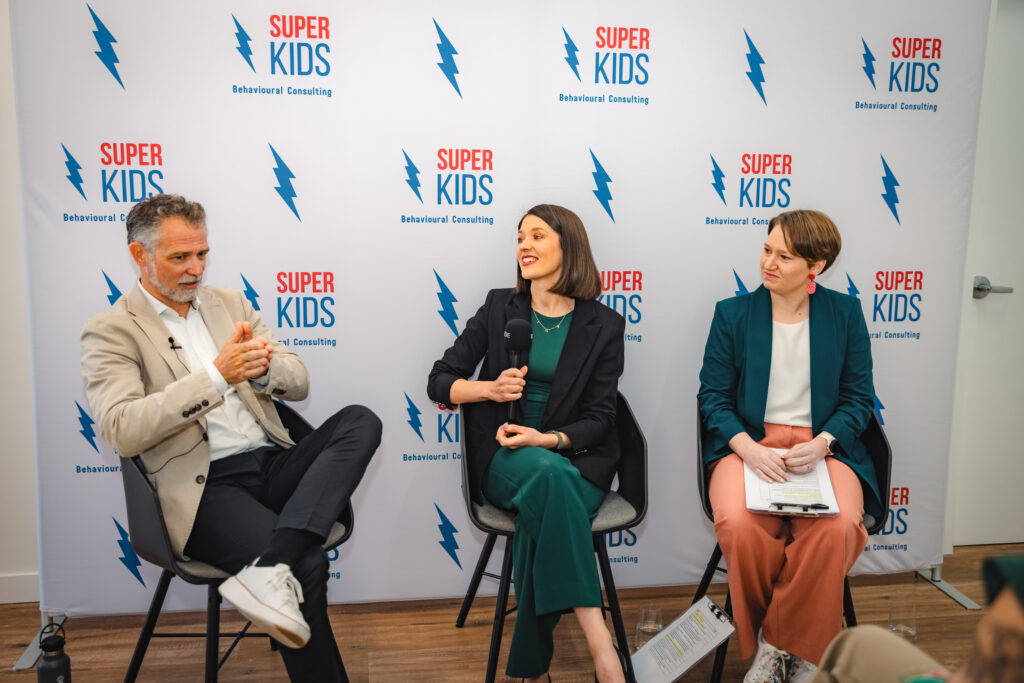
Connected Care Panel 2026
Explore key insights from the Connected Care Panel as professionals discuss collaboration, integrated support systems, and the importance of coordinated care in improving outcomes for children, families, and individuals with complex needs.
Building Health, Dignity, and Access: Teaching What Matters Most with Renee Collins
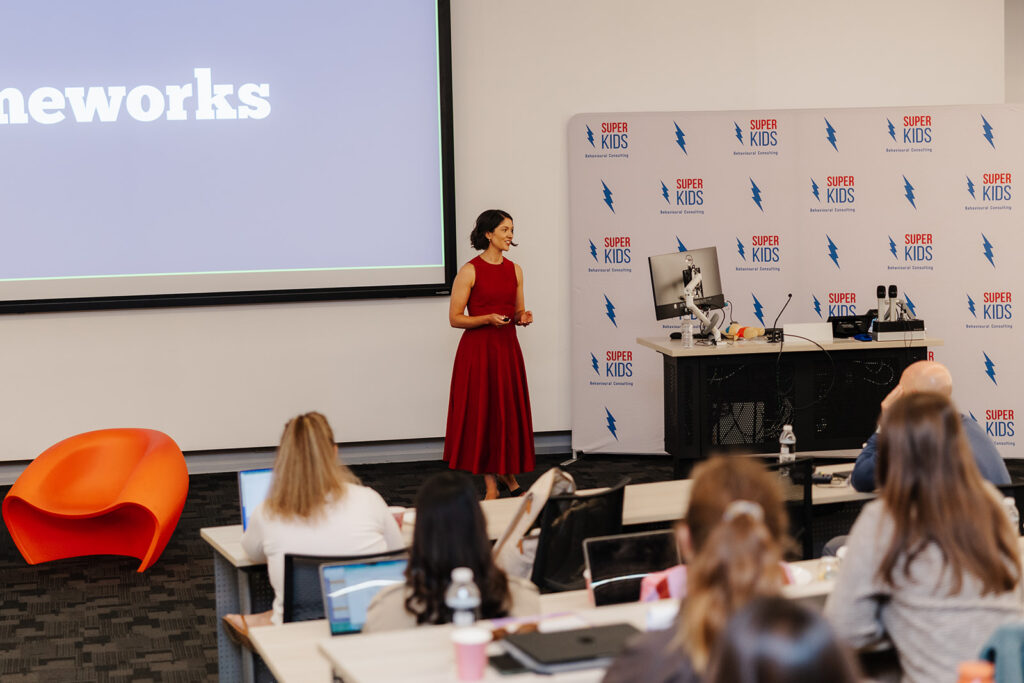
In her presentation, Renee explored the Essential for Living (EFL) framework and its practical impact on clinical practice, highlighting the importance of the “Necessary Nine Skills” in supporting individuals with moderate to severe disabilities to participate more safely and meaningfully in everyday family, school, and community life.
Understanding Fears and Phobias in Children: How the Right Support Can Make a Difference

Learn how fears and phobias can impact children’s emotions, behaviour, and daily life, including the signs parents and caregivers can look for and practical ways to provide calm, supportive guidance that helps children feel safe, understood, and more confident navigating their fears.
What Does a Behaviour Analyst Do?

Behaviour analysts support people to learn, develop, and participate more fully in everyday life. While many people associate behaviour analysis only with behaviour reduction, the reality is far broader and far more meaningful. Behaviour analysts work alongside individuals, families, schools, and support teams to build practical skills that improve independence, communication, safety, and quality of life. From helping a child learn to communicate their needs, to supporting someone with complex behaviours to participate more successfully at home, school, or in the community, behaviour analysis is ultimately about creating meaningful and lasting change that helps people thrive.
What Is “Profound Autism”? A Detailed Overview
Profound autism is an emerging term used to describe autistic individuals with the highest support needs — including minimal spoken language, co-occurring intellectual disability, and full-time care requirements. While not a formal diagnosis, the term helps guide research, policy, and service delivery. This article explores what profound autism means, how it’s understood in Australia, and why respectful, inclusive language and support matter.
What Is a Developmental Educator? Roles, Qualifications, and How They Help

A Developmental Educator is a university-qualified allied health professional who specialises in working alongside people with disability to improve their quality of life and achieve meaningful goals.
What Is a Behaviour Analyst? Roles, Qualifications, and How They Help
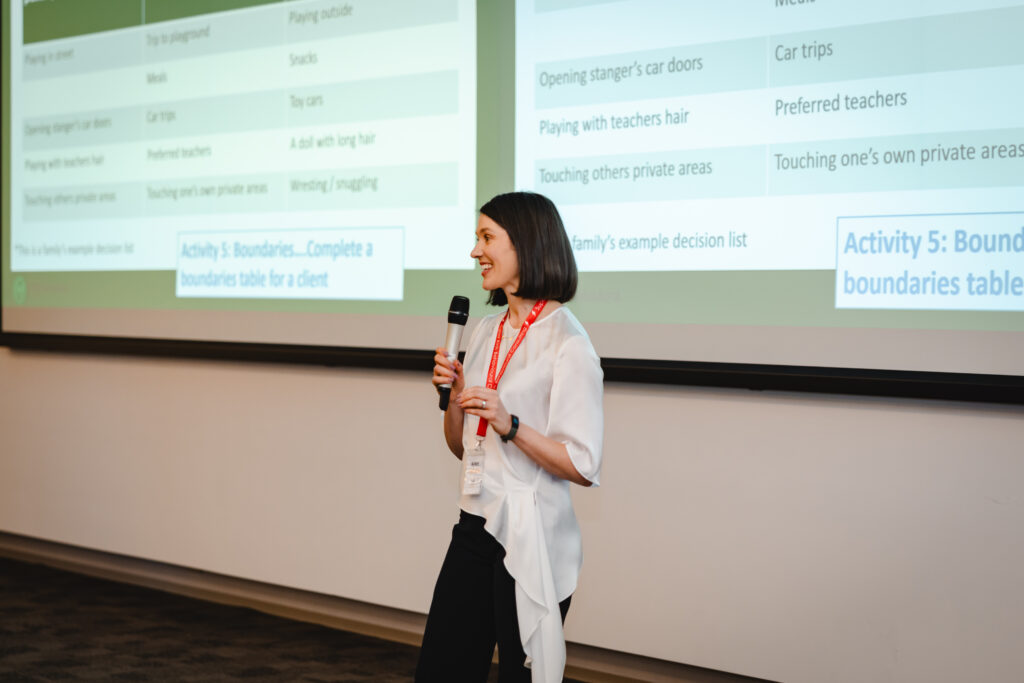
What Is a Behaviour Analyst? Roles, Qualifications, and How They Help As the NDIS continues to grow, so does the need for qualified disability support professionals. One role gaining more recognition is the Behaviour Analyst. But what exactly does a Behaviour Analyst do? How are they trained? And when might they be the right choice […]
ABA vs Psychology

ABA vs Psychology Psychology vs. Applied Behaviour Analysis (ABA) for Children and Teens: What’s the Difference? When it comes to supporting children and teens with neurodivergence or behavioural challenges, two commonly considered services are Psychology or Applied Behaviour Analysis (ABA). Both services are effective and evidence-based, but they can focus on and support different aspects […]
Thriving Kids: Australia’s New NDIS Initiative for Children
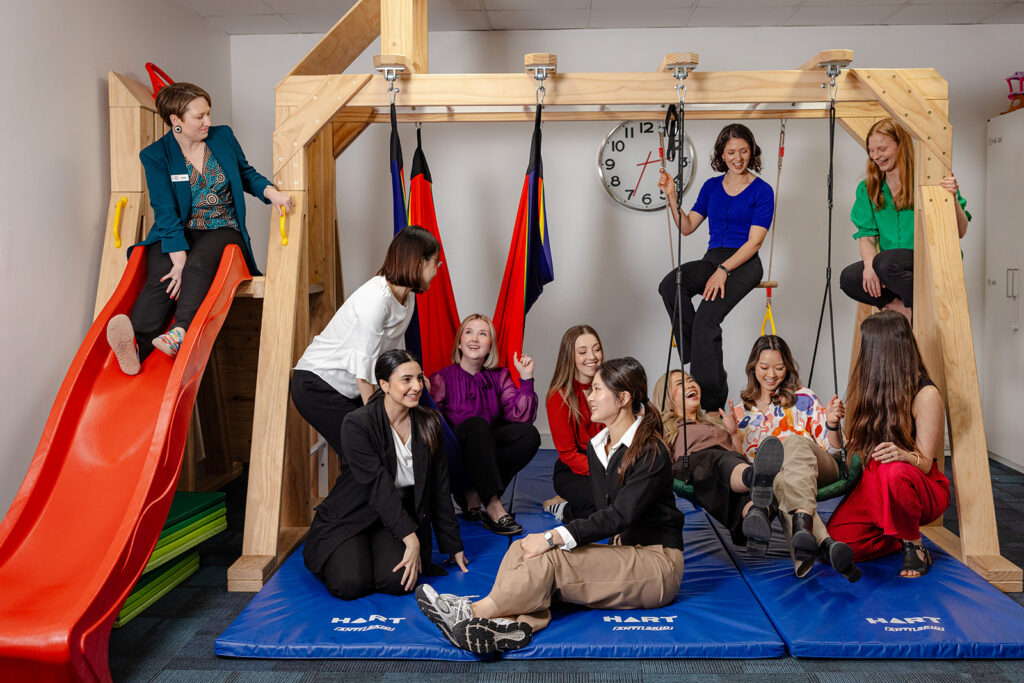
From July 2026, the Australian Government will introduce Thriving Kids, a new initiative designed to better support children with developmental delays and mild to moderate autism. This program aims to provide tailored, accessible services through schools and early learning settings, making it easier for families to access the supports their children need. Learn more.
Why It’s Okay to Go Slow: Therapy Progress Isn’t Always Linear
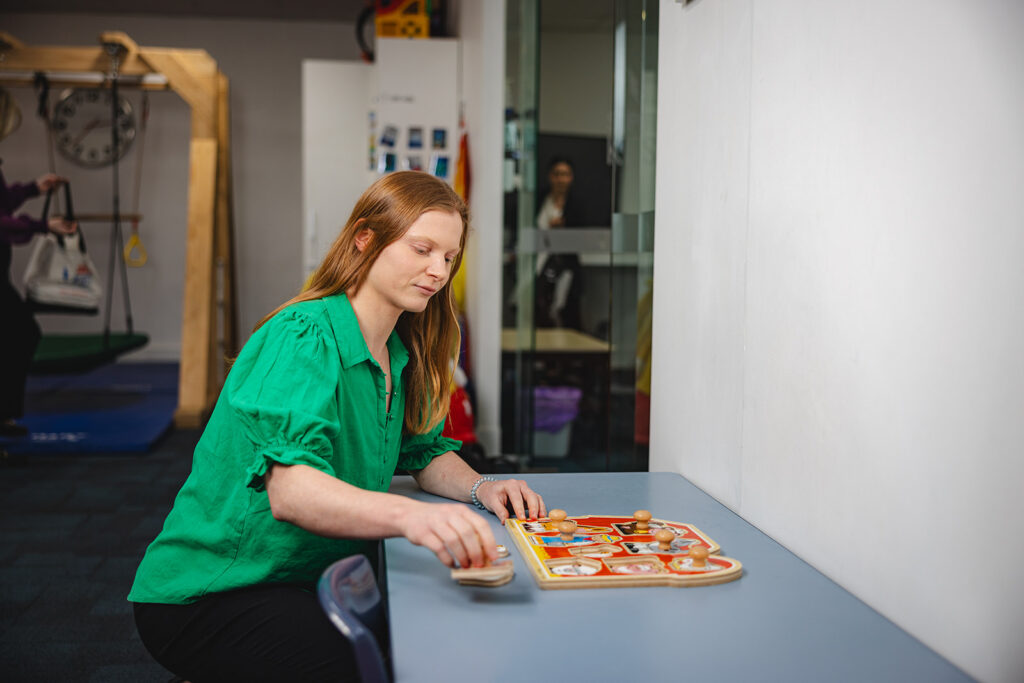
In a world that glorifies speed and efficiency, it’s easy for parents to feel overwhelmed when their child’s progress feels slower than expected. But when it comes to behaviour support, especially within the frameworks of Practical Functional Assessment (PFA) and Skills-Based Treatment (SBT) or during toilet training, slowness can be a superpower.
The Power of Universal Protocols: How One Simple Framework Transformed Classroom Behaviour
In a world that glorifies speed and efficiency, it’s easy for parents to feel overwhelmed when their child’s progress feels slower than expected. But when it comes to behaviour support, especially within the frameworks of Practical Functional Assessment (PFA) and Skills-Based Treatment (SBT) or during toilet training, slowness can be a superpower.
Addressing Dangerous Behaviours in SBT/PFA: A Focus on Pica and Elopement

Learn how SBT/PFA approaches dangerous behaviours like pica and elopement with safety, dignity, and care.
Universal Protocols in SBT/PFA

Universal Protocols in SBT/PFA: Why Consistency Matters In the realm of Practical Functional Assessment (PFA) and Skills-Based Treatment (SBT), the term ‘Universal Protocols‘ refers to a standardised set of procedures used across diverse contexts and clients. These protocols are not simply convenient checklists, they are essential safeguards that ensure therapeutic integrity, safety, and long-term success. […]
5 Reasons to Include a Certified Behaviour Analyst (CBA) on Your Allied Health Team

5 Reasons to Include a Certified Behaviour Analyst (CBA) on Your Allied Health Team When it comes to delivering impactful, ethical, and evidence-based care, especially for children and young people with developmental delays or behaviours of concern, collaboration is key. We talk a lot about multidisciplinary teams in the allied health space, but there’s one […]
CBA vs BSP: Understanding the Differences Between Behaviour Therapy Roles in Australia

CBA vs BSP: Understanding the Differences Between Behaviour Therapy Roles in Australia If you’re a parent navigating the world of behaviour support in Australia, chances are you’ve come across a maze of titles, Behaviour Therapist, Behaviour Support Practitioner (BSP), and Certified Behaviour Analyst (CBA). It’s a lot to take in, especially when you’re already managing […]
Understanding the Levels of Autism
Discover 5 compelling reasons why adding a Certified Behaviour Analyst to your allied health team strengthens outcomes and support.
Reflections on Presenting a Case Review at Advanced PFA/SBT Workshop: Being a Scientist-Practitioner!

I had the privilege of presenting a case review at the Advanced Practical Functional Assessment & Skill-Based Treatment (PFA/SBT) workshop with Dr. Greg Hanley. Learn more!
Global Developmental Delay

Global Developmental Delay (GDD) What is Global Developmental Delay or GDD? Global developmental delay (GDD) is a broad diagnosis for children under the age of 5 who exhibit a delay in two or more developmental domains (American Psychiatric Association, 2013). These delays interfere with the child’s normal daily functioning. Sometimes the terms ‘developmental delay’ and ‘global […]