Connected Care Conference 2026
Ethical strategies, compassionate practice, real-world impact.
17-19 April 2026 | University of Technology Sydney (UTS), Ultimo
Super Kids Behavioural Consulting is proud to present The Connected Care Conference: Building Bridges Across Behavioural and Developmental Practice.
A two-day hybrid professional event designed to connect and inspire behaviour analysts, developmental educators, behaviour support practitioners and allied-health professionals.
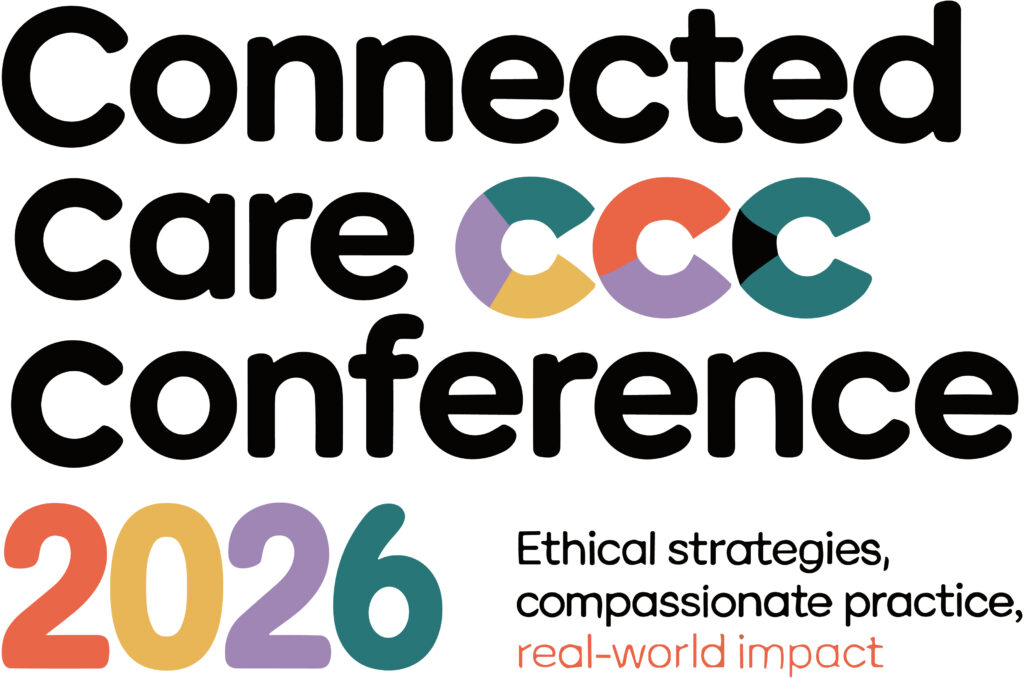
- Date: Saturday 18 and Sunday 19 April 2026
- Location: UTS Sydney, NSW + live-streamed online
- Pre-Conference workshop Friday 17th April 2026 with Troy Fry (Essential for Living)
Please note:
- This event will be live only and will not be recorded.
- Early bird price available for the first 100 attendees.
About the Connected Care Conference
In a field that’s evolving faster than ever, it’s time to pause and reconnect with what truly matters – ethics, compassion, and meaningful outcomes. The Connected Care Conference exists to advance ethical, rights-based practice in behavioural and developmental support.
This conference offers three transformative days of presentations, panels, and practice-ready insights for professionals supporting individuals with developmental disabilities, behavioural challenges, and diverse learning needs across the lifespan.
Walk in curious. Leave equipped.
What will I get out of the workshop?
 Evidence-based, practice-ready tools to elevate your ethical and compassionate care Connection with like-minded professionals who believe in values-led practice and real-world impact Full-day catering both days – two tea breaks and a generous lunch break, all included CEU and CPD credits confirmed:
- Developmental Educators: CPD hours available
- BCBAs / CBAs: 13 CEUs confirmed across both days
This is a weekend designed to nourish your practice and your professional soul – with great food, great company, and great learning.
Who is this workshop for?
This event is designed for professionals and advocates committed to ethical, person-centred care, including:
- Behaviour Analysts
- Developmental Educators
- Behaviour Support Practitioners
- Speech Pathologists, Psychologists, and OTs
Why You Can’t Miss This
- Ethics in action, not just talk – sessions that prioritise dignity, consent, and respect.
- Real-world learning – grounded in research, lived experience, and compassion.
- Connection that counts – build bridges across disciplines, sectors, and perspectives.
Join Us
Spaces are intentionally limited to ensure a high-quality, connected experience.
Don’t miss your chance to be part of this compassionate, collaborative, and career-defining event.
In Person Conference (Sydney)
Early Bird $499 + GST
Regular $599 + GST
In-Person: University of Technology Sydney (UTS) 15 Broadway, Ultimo NSW 2007
Virtual Conference (Live Stream)
Early Bird $499 + GST
Regular $599 + GST
Secure live-stream link provided to all online attendees.
Note: This event will not be recorded for replay.
Pre Conference Workshop with
Troy Fry (Essential for Living)
Regular $250 + GST
In-Person
or
Virtual
Pre Conference Workshop
& Conference Bundle
Early Bird $698 + GST
Regular $798 + GST
In-Person
or
Virtual
- New: Pre-conference workshop (optional add-on)
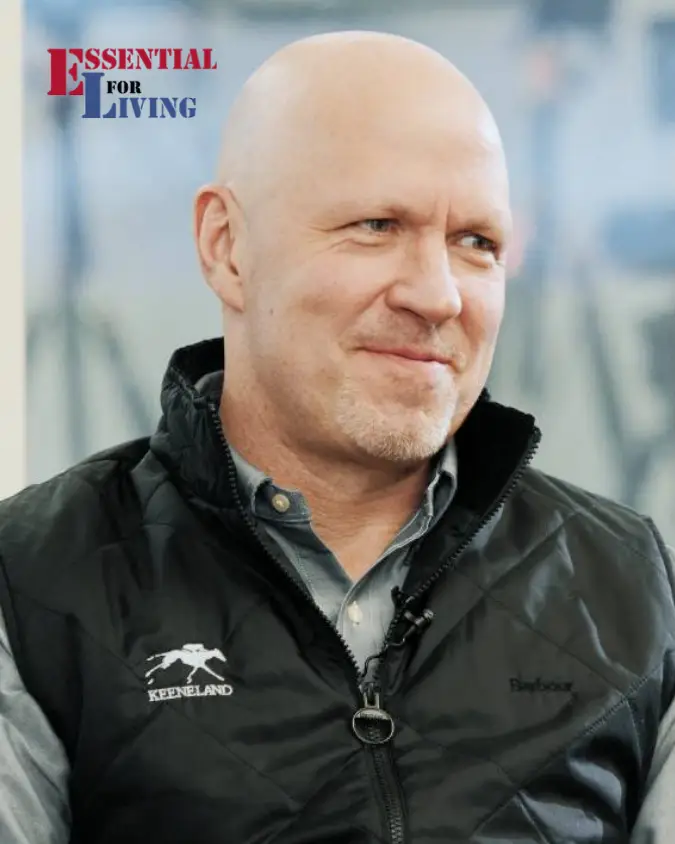
Intermediate Essential for Living (EFL) Workshop with Troy Fry, BCBA (Co-Author of the Essential for Living)
This full-day, pre-conference workshop is designed for clinicians who already use or understand Essential for Living (EFL) and want to get more out of the curriculum in real-world practice.
Led by Troy Fry, BCBA, this session goes beyond test administration to focus on meaningful assessment-to-intervention pathways, ethical decision-making, and practical implementation for learners with complex communication, behaviour, and support needs.
If you’ve ever asked:
-
Am I prioritising the right EFL skills?
-
How do I move from assessment to intervention more efficiently?
-
How do I align EFL with team-based practice and family values?
This workshop is for you.
This is not an introductory session. Instead, it’s a deep dive for practitioners who want to implement EFL with confidence, clarity, and clinical integrity.
This workshop is ideal for:
- Behaviour Analysts (BCBAs, CBAs)
- Behaviour Support Practitioners (PBS)
- Developmental Educators and senior clinicians
- Allied health professionals working with learners with complex needs
Prerequisite:
Participants should already be familiar with the Essential for Living framework and terminology. If you’re unsure, please email [email protected] to discuss further or completing 8-hour online training introductory training with Dr Patrick McGreevy here.
Why Attend This Pre-Conference Workshop?
- Small-group, focused learning before the main conference
- Practical strategies you can use immediately in practice
- Direct learning from the co-author of the Essential for Living, Troy Fry
- A strong foundation for the Connected Care Conference weekend
- 6 CEU/CPDs included
- Fully catered event
Investment: $250 + GST
If purchased with Conference Ticket, only $199 + GST
When: Friday 17 April 2026, 9:30-5pm
Limited seats. Add to your order at checkout.
Why this conference exists:
The Connected Care Conference exists to advance ethical, rights-based practice in behavioural and developmental support.
Across behaviour analysis, PBS, developmental education, and allied health, professionals are increasingly called to balance:
Evidence-based intervention
Human rights, dignity, and autonomy
Neurodiversity-affirming and trauma-assumed care
Real-world service systems such as schools, families, and the NDIS
Too often, these elements are treated as competing priorities.
Connected Care was created to bring them together.
This conference supports practitioners to deliver care that is not only effective, but respectful, just, and rights-affirming, ensuring that the people we support are safe, heard, and meaningfully included in decisions that affect their lives.
Frequently Asked Questions
What is the Connected Care Conference, and who is it for?
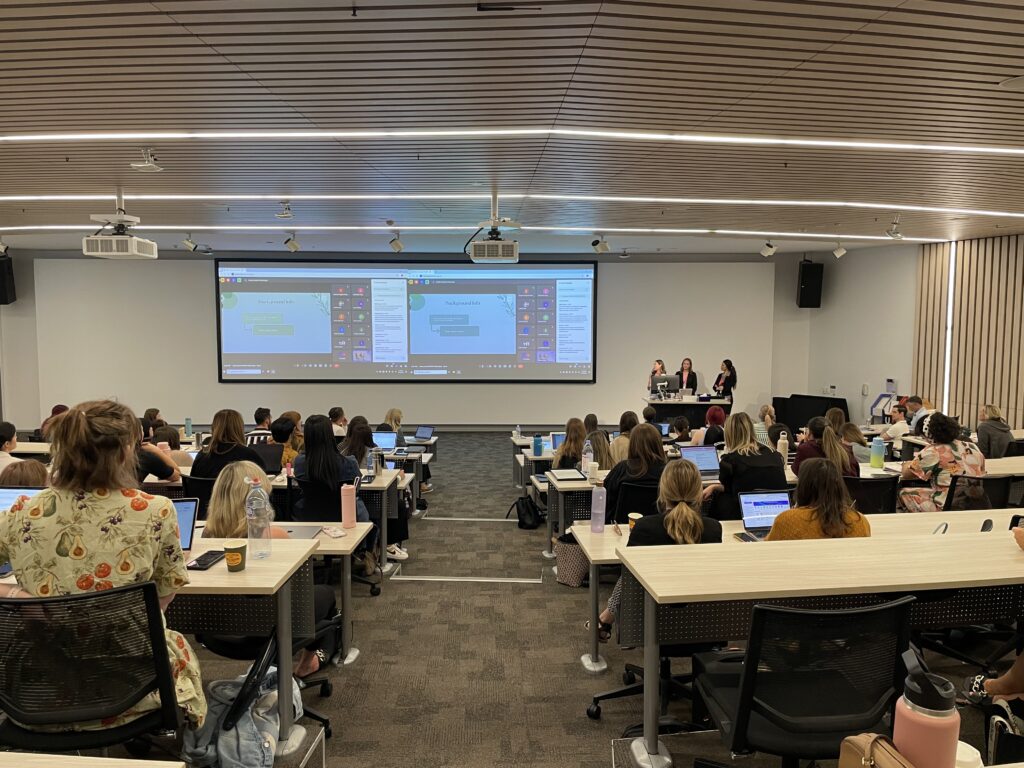
The Connected Care Conference is a two-day hybrid professional event (in-person and live-stream) designed for behaviour analysts, developmental educators, behaviour support practitioners, speech pathologists, psychologists, OTs and allied-health professionals who support individuals with developmental disabilities and diverse learning needs.
It’s for professionals committed to ethical, person-centred care who want practical tools, interdisciplinary connection, and real-world impact.
When and where is the event taking place?
The conference runs 18–19 April 2026 at the University of Technology Sydney (UTS), Broadway, Ultimo NSW. A live-stream option is also available. There is also a preconference workshop on Friday 17 April.
Will there be recordings if I attend virtually?
No. The event is live only and won’t be recorded. To get the full experience, you’ll need to attend live either in person or online.
Can I attend in person one day and via livestream the other day?
Yes, you can mix and match. Purchase an in-person ticket for one day and a livestream ticket for the other. You’ll have access to all sessions either way.
Can I ask questions if I’m attending virtually?
Yes. Online participants can submit questions to speakers during sessions through the livestream platform.
How do I access the livestream?
Access details will be emailed to all virtual attendees in the week before the conference.
What will I gain from attending?
Practical, evidence-based strategies to enhance ethical and compassionate care
Interdisciplinary connection with values-led professionals
CPD/CEU credits (e.g. 13 CEUs confirmed for BCBAs/CBAs)
A revitalising professional experience including catered breaks, meaningful discussions, and space to reflect on your practice
Will lunch, morning teas and networking be included?
Yes. In-person attendees will enjoy morning tea, lunch, and afternoon tea on both days.
Can you cater for my dietary requirements?
Yes. Please let us know during registration. For anything specific, contact info@
What accessibility features are available?
A quiet viewing space will be available throughout the event if required. Additional quiet areas within UTS can be accessed during breaks. Closed captions will be available on all presentations. If you have specific accessibility needs, please get in touch so we can support you.
Is there parking?
Several paid parking stations are located nearby. We recommend booking ahead or using public transport. Find more information here.
What is the venue like, and is it accessible?
UTS Building 11 is centrally located and fully accessible, with step-free entry, elevators, accessible bathrooms and wheelchair-friendly pathways. Contact us if you need reserved seating or additional support.
Are there any pre-conference workshops?
Yes. On Friday 17 April 2026, we’re hosting an optional “Essential for Living (EFL)” workshop with Troy Fry—ideal for clinicians supporting learners with complex needs.
What should I bring, and how should I prepare?
Bring your curiosity and real-world questions. Sessions are designed to be practical and interactive.
If you’re attending in person, arrive early and plan for full days. If joining online, check your tech setup and be ready to log in live.
Will the conference be photographed or filmed?
Yes. Photography and filming may be used for promotional purposes. If you prefer not to be included, email us in advance or speak with the registration desk on the day.
How many seats are available, and when should I register?
Capacity is limited to maintain an engaging, high-quality experience. Early registration is recommended to secure your spot and take advantage of discounted pricing.
Can I get a refund or transfer my ticket?
Refunds aren’t available. However, transfers may be possible, email info@
Who should I speak to about sponsorship opportunities?
Please email info@
Venue Details
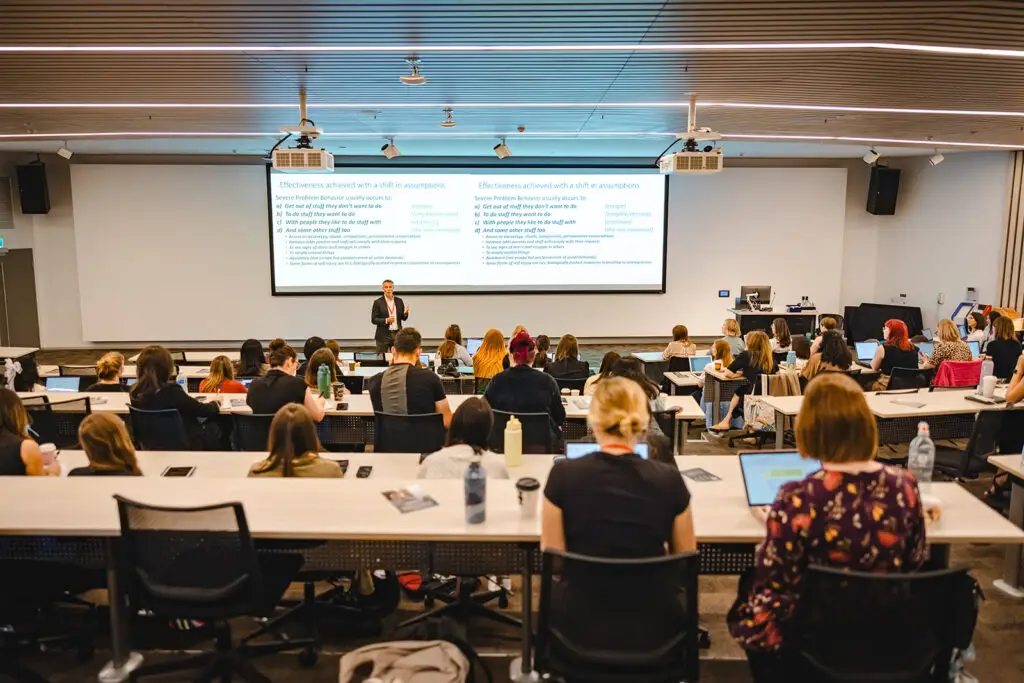
The Connected Care Conference 2026 will be held at The University of Technology Sydney (UTS) in Building 11, located at 15 Broadway, Ultimo NSW 2007.
Access Points
Main Entrance – Broadway (Building 11)
The most direct access to the conference venue is via the main UTS entrance on Broadway. Once inside Building 11, signage and staff will guide you to the conference check-in area and lecture theatres.
Please note: The Wattle Street entrance will be closed on the weekend due to UTS campus security measures. If you’re arriving by public transport, follow signs from Central Station via The Goods Line for easy access to the Broadway entrance.
Getting There
UTS is located on the southern edge of Sydney’s CBD and is easily accessible by train, bus, light rail, taxi, or car.
- By Train:
Exit at Central Station (Devonshire Street exit). UTS is approximately a 5-minute walk via The Goods Line pedestrian walkway. - By Light Rail:
Alight at Paddy’s Markets or Central Chalmers Street stop, both a short walk to UTS. - By Bus:
Multiple bus routes stop directly along Broadway, within metres of the campus entrance. - By Car:
Paid parking is available at nearby Secure Parking stations, including Central Park Mall (Broadway) and UTS Car Park on Thomas Street.
Accessibility
Building 11 offers step-free access, elevators, accessible restrooms, and wheelchair-friendly pathways from all major entrances. If you require additional accessibility support or reserved seating, please contact our team at [email protected].
Plan Your Visit
For detailed maps, parking, and transport information, visit the UTS Campus Access and Maps page.

Super Kids acknowledges each individual’s personal preference to use identity-first or person-first language to describe themselves or their loved one. We interchangeably use both language conventions and therefore refer to both Autistic children and children with Autism.