
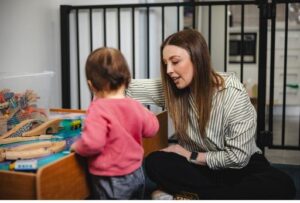
Fear is a natural and important emotion. It helps us stay safe and respond to potential danger. For children, fears can appear at different stages of development, such as fear of the dark, strangers, loud noises, or being separated from parents. In most cases, these fears gradually fade as children grow and gain confidence in the world around them.
However, for some children, fear becomes much more intense and persistent. When fear begins to interfere with everyday life, school, sleep, eating, communication, or using the bathroom, it may be more than a typical developmental fear. It may be a phobia or a fear-based difficulty that needs support.
A phobia is a strong and overwhelming fear of a specific situation, object, or experience. Unlike ordinary worries, phobias can cause children to avoid situations completely or become extremely distressed when faced with them.
Children may not always be able to explain their fears, but their behaviour often tells the story. Avoidance, distress, meltdowns, freezing, or shutting down are common signs that fear is taking over. Fear doesn’t always look like being scared. In children, it often shows up in everyday activities such as speaking, eating, sleeping, or toileting. The good news is that with the right understanding and strategies, children can learn to feel safe, confident, and capable again.
Here are some areas where fear-based challenges commonly appear:
Some children develop strong fears around very specific things such as dogs, insects, medical appointments, the dark, loud noises, taking medication or vomiting. These fears can significantly limit a child’s participation in everyday life. Carefully guided exposure from a psychologist and confidence-building strategies can help children face these fears without feeling overwhelmed.
Some children desperately want to speak but feel physically unable to in certain settings, such as school or around unfamiliar people. This is known as selective mutism. It is not defiance or stubbornness; it is an anxiety response where the child’s body goes into “freeze mode.” With the right gentle, step-by-step approach, children can gradually build confidence and find their voice.
Children with ARFID may avoid foods due to fear of choking, vomiting, sensory discomfort, or past negative experiences. This can lead to extremely limited diets and stressful mealtimes for families. These challenges are often misunderstood as “picky eating”, but for many children, the experience is much deeper. Support focuses on reducing fear, rebuilding trust with food, and expanding food acceptance at a pace that feels safe. Children with a history or fear of choking or vomiting will also need support from a speech and language therapist to ensure foods are safe for them to attempt.
Fear can play a major role in toileting difficulties. Some children may fear the toilet, the flushing sound, the sensation of using the toilet, or past painful experiences with constipation. These fears can lead to withholding, accidents, or avoidance. Addressing both the emotional and practical aspects of toileting can help children regain confidence and independence.
Night-time fears are incredibly common. Fear of being alone, fear of the dark, or worries that appear at bedtime can make sleep very challenging for children and exhausting for parents. Gentle routines and anxiety-reducing strategies can help children feel safe enough to relax and fall asleep. While building the skill of independence.
Supporting children with fear-based challenges requires patience, understanding, and the right strategies. At Super Kids, our approach focuses on:
Every child is different, and there is no one-size-fits-all solution. What works for one child may not work for another, which is why personalised support is so important.
When children feel supported and understood, amazing changes can happen. The child who couldn’t speak at school begins to whisper to a teacher. The child who refused food begins to try small bites. The child, terrified of the toilet, gains independence. The child who feared bedtime finally sleeps peacefully.
Fear does not have to control a child’s world. With the right guidance, children can learn that they are capable, brave, and safe.
If your child is struggling with selective mutism, ARFID, specific phobias, toileting difficulties, sleep challenges, or feeding issues, support is available, and change is possible.
To find out more about Psychology or Behavioural Consulting support at Super Kids, please fill in the form below. We would love to assist you with more information about our programs.
Facebook
Twitter
WhatsApp